This What You Need To Do, Proven Time Of Year To Plant Hedges And Trees
Did you know that timing is everything when it comes to planting in your garden? In South Devon, understanding the right time to plant hedges, trees, or bulbs is crucial for ensuring a thriving garden. Given the region’s unique climate and soil conditions, making informed planting decisions can vastly improve the success of your gardening efforts. In this comprehensive guide, we’ll explore the optimal planting times for different types of flora, delve into best practices, and share insights that will help your garden flourish. From hedges that provide privacy to vibrant trees that add value to your home, we’ll walk you through everything you need to know for a successful planting season.
Understanding the Climate in South Devon
South Devon is renowned for its mild climate, influenced by the nearby sea. This creates a unique environment for gardening, providing extended growing seasons and a chance to cultivate a wide variety of plants. However, this climate also means that the timing of planting can significantly impact the health and vigor of the plants.
Consequently, understanding the climate and soil conditions throughout the year is crucial to maximizing growth potential.
- Spring Planting:
1.1. If you’re considering planting hedges such as Leylandii or Beech, spring is generally the ideal time. As the frost recedes and temperatures start to rise, the soil becomes workable, allowing for optimal root establishment.
1.2. Trees like Birch and Cherry thrive when planted in spring as their growth cycles align with the warmer months, which help them flourish.
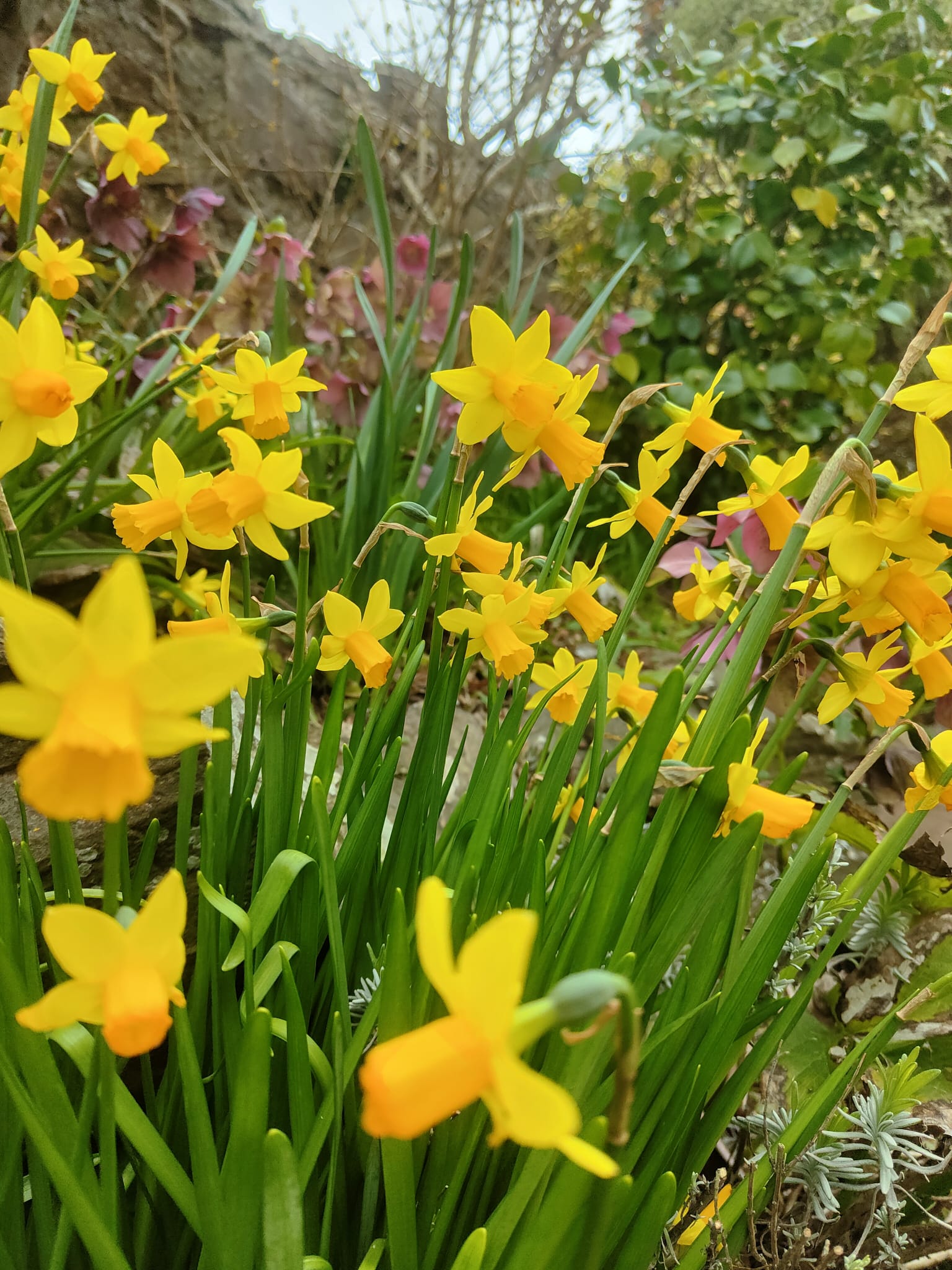
1.3. Spring bulbs, such as Daffodils or Tulips, should be planted in autumn. However, they require that initial pre-spring preparation, ensuring that the bulbs stay healthy through winter. - Summer Planting:
2.1. While summer is not ideal for planting, it can be suitable for certain hedges, like Privet, which thrive in the warm weather. However, it’s essential to ensure adequate watering as the heat can be relentless.
2.2. Many perennials may also do well during summer if the soil is kept moist and is properly mulched.
2.3. Keep in mind that late summer is an excellent time to plant root vegetables and cool-season crops as the heat begins to wane. - Autumn Planting:
3.1. Autumn is a prime time for planting trees and hedges. As the weather cools, plants will establish roots without the stress of summer heat. Trees such as Oak and Maple can be planted during this season, and they’ll benefit from the warm soil temperatures encountered.
3.2. Autumn is also the season to plant bulbs. By planting Tulips and Alliums in the fall, you’ll ensure they achieve root growth before winter sets in, offering a vibrant spring bloom. - Winter Planting:
4.1. While most plants are dormant in winter, a few can still be planted, especially evergreens like Holly or certain shrubs. These can handle colder temperatures and provide some greenery to your landscape during the wintry months.
4.2. However, care must be taken not to disturb the soil when it is frozen or overly waterlogged.
Common Mistakes to Avoid
When planning your planting, avoid the following pitfalls:
- Ignoring Local Conditions: Each garden has its microclimate. Pay attention to factors like shade, drainage, and soil type.
- Overwatering After Planting: While hydration is necessary, overwatering can lead to root rot, especially in newly planted trees and shrubs.
- Planting in Poor Soil: Always test your soil for nutrients and pH balance. Amelia from Torquay realized her Betty Hedge was dying without proper soil amendments.
- Pushing the Season: Many gardeners misunderstand climate indicators. Observing the first frost dates can aid in making informed planting decisions.
Care Tips for New Plants
After planting, it’s crucial to ensure that your plants receive the right level of care:
- Mulching: Apply a 2-3 inch layer of organic mulch around the plant bases to suppress weeds and retain moisture.
- Establish a Watering Schedule: Newly planted trees and hedges need consistent watering. Avoid watering in the late evening to prevent mold growth.
- Fertilize Wisely: Timing fertilizer applications is essential. Early spring is ideal for many trees, while fall is better for bulbs.
- Pruning: While it may seem counterintuitive, some plants benefit from light pruning post-planting to promote robust growth.
Conclusion
So now what? Timing and preparation are essential for successfully planting hedges, trees, or bulbs in South Devon. Understanding the seasons, climate, and local conditions can make a significant difference in your gardening success.
Making informed decisions about when to plant can lead to a vibrant garden that flourishes year-round. To help you with this journey, let us help you plan your planting, contact Ash and Bloom to book seasonal planting services: Our Services. Remember, a well-timed planting not only enhances your home’s beauty but can also add to its value. Why wait? Start planning today, and embrace the flourishing green that surrounds you!